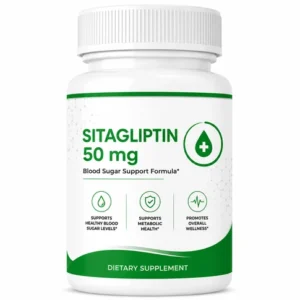
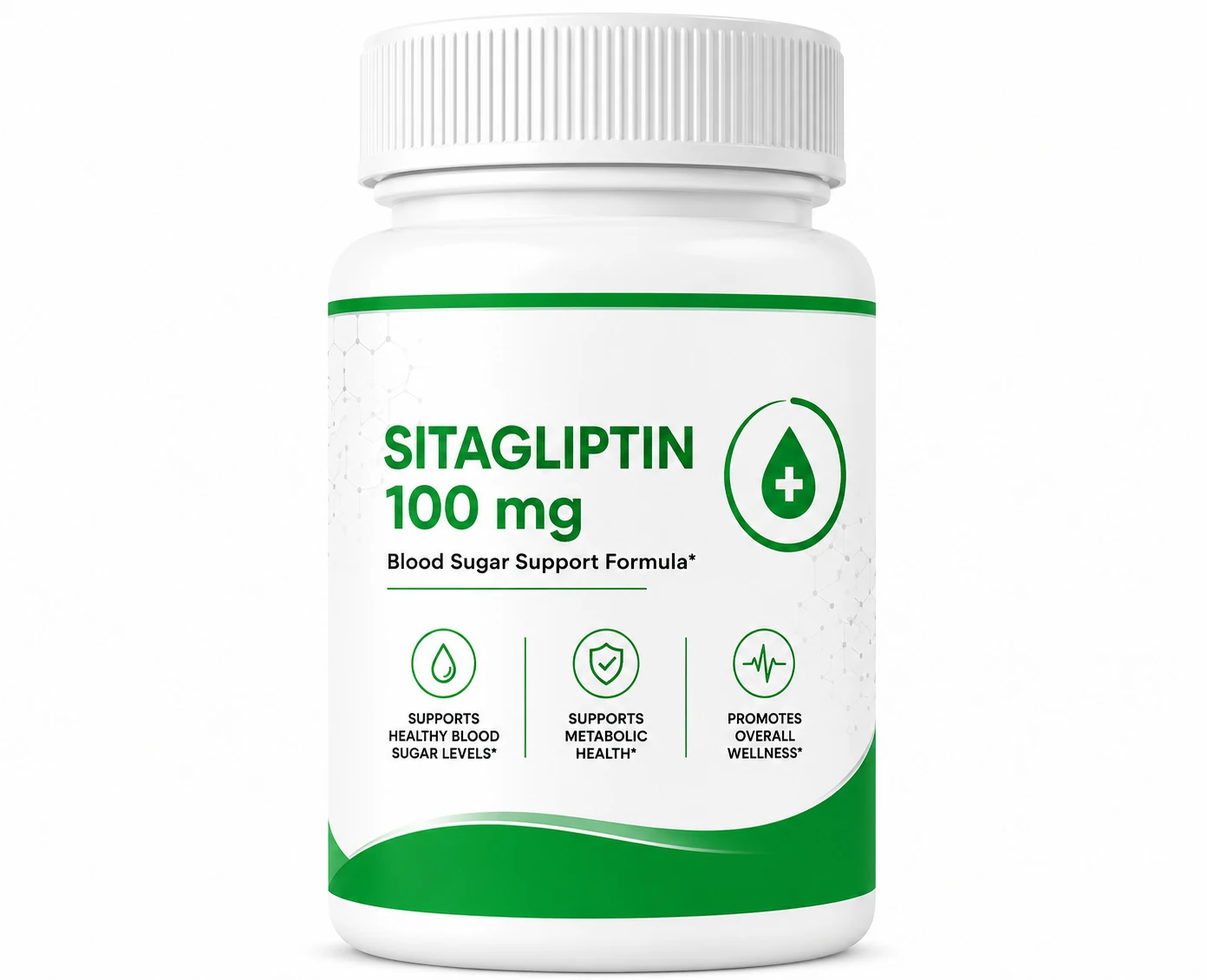
What is Sitagliptin 100 mg ?
Sitagliptin 100 mg is a prescription medicine that is taken orally for the purpose of keeping the blood sugar levels under control for patients with type 2 diabetes mellitus.
Its active ingredient is sitagliptin. Sitagliptin is an ingredient of DPP-4 inhibitors which is a type of medicine.
The drug is usually prescribed alongside lifestyle modification, including a healthy diet as well as physical activity. Depending on the nature and the stage of the treatment, the drug can be used alone or combined with other diabetes drugs as the case calls for.
Uses of Sitagliptin 100 mg
This medicine may be prescribed to:
- Help lower high blood sugar
- Improve overall glucose control
- Support diabetes management along with diet and exercise
- Be used alone when certain other medicines are not suitable
- Be combined with other blood sugar medicines when additional control is needed
It is not for treating type 1 diabetes or diabetic ketoacidosis.
How Does Sitagliptin Work?
When you are full after eating, the body produces the incretins that are the hormones responsible for the secretion of insulin by the pancreas, and the suppression of the production of glucose in the liver.
On the other hand, Sitagliptin prevents the enzyme DPP-4, whose role is usually decomposing these hormones, to do so. Therefore, the drug causes incretin hormones not to be degraded so fast. This means that they stay active in the body for even longer periods of time than before.
As a result, this process can significantly aid the body in regulating blood sugar levels, and particularly those rising post-meal.
Benefits of Sitagliptin 100 mg
When prescribed for the right patient, treatment may help:
- Improve blood glucose control
- Reduce high blood sugar levels
- Support healthier post-meal glucose levels
- Work alongside diet and exercise
- Be combined with selected diabetes treatments when needed
The medicine helps control diabetes, but it does not cure the condition. Following your doctor’s advice about food, activity and blood sugar monitoring remains important.
Dosage and How to Use
Make sure to follow the exact instructions given by your doctor or healthcare specialist regarding Sitagliptin dosage.
The usual dosage for patients with normal renal function is one 100mg tablet each day. Patients with renal impairment might need a different strength.
- Remember to take the medication the same moment each day after you have got the time prescribed by the doctor.
- The drug can be used with or without food.
- Drink sufficient water before taking the tablet to facilitate swallowing.
- Do not surpass the amount which your doctor has recommended for you as such an act can bring about a lot of problems. The right dose of the drug, at the right times, is very important.
- In case you realize about missing a dosage at some point, take it immediately as long as such an action will not cause the next prescribed dose to come in too fast.
- Taking the medicine at double the rate is not a good idea at all.
- Alteration of the dosage should not be made without the consultation of the doctor.
- Follow your physician’s guidance on diet and exercise regimen.
As a precaution, your physician will monitor your kidneys’ condition and possibly modify dosage in order to get the maximum benefit with minimum risk.
Possible Side Effects
Some people may experience side effects while taking sitagliptin.
Possible side effects are:
- Headache
- Cold-like symptoms
- Sore throat
- Stomach discomfort
- Nausea
- Joint pain
More serious reactions are possible. Seek medical advice if you develop severe and persistent stomach pain, especially if it is accompanied by nausea or vomiting. This can be a warning sign of pancreatitis. Serious allergic reactions and kidney problems have also been reported.
Warnings and Precautions
Tell your healthcare professional before starting treatment if you:
- Have kidney problems
- Have previously had pancreatitis
- Have a history of heart failure
- Have had an allergic reaction to sitagliptin
- Take insulin or medicines that increase insulin release
- Are pregnant or planning to become pregnant
- Are breastfeeding
- Take other prescription or non-prescription medicines
Low Blood Sugar
When used alone, sitagliptin rarely causes hypoglycaemia (low blood sugar). The risk can rise if it is combined with insulin or some medications like sulfonylureas.
Signs of low blood sugar can include:
- Shaking
- Sweating
- Hunger
- Dizziness
- Weakness
- Headache
- Confusion
If you experience symptoms of low blood sugar, follow the treatment plan provided by your healthcare professional.
Drug Interactions
Tell your doctor everything you take, including:
- Insulin
- Sulfonylureas
- Other diabetes medicines
- Prescription medicines
- Over-the-counter products
- Vitamins
- Herbal supplements
Some combinations may change blood sugar levels or increase the chance of side effects. Your healthcare professional can decide whether another medicine or dose adjustment is needed.
Pregnancy and Breastfeeding
Speak with your doctor if you are pregnant, planning a pregnancy or breastfeeding.
Discuss sitagliptin use with a doctor or pharmacist during pregnancy so the potential benefits and risks can be considered.
Do not start or stop diabetes treatment during pregnancy without medical advice.
Storage
- Keep the tablets in their original blister pack.
- Store below 25°C.
- Keep them in a cool, dry place.
- Protect them from moisture and direct sunlight.
- Do not store them in the bathroom or near a sink.
- Avoid leaving them in a hot car.
- Keep the medicine out of reach of children.
- Do not use the tablets after the expiry date.
- Take unwanted or expired tablets to a pharmacy for safe disposal.
FAQs
Can Sitagliptin 100 mg be taken at any time of day?
It is usually taken once daily. Try to take it around the same time each day, unless your healthcare professional has given you different instructions.
Does Sitagliptin 100 mg have to be taken before meals?
No. It can generally be taken with or without food, so it does not need to be timed around your meals.
Why might my doctor change the strength?
Kidney function can affect how much medicine stays in the body. People with reduced kidney function may need a lower dose than the usual 100mg daily dose.
Can I stop Sitagliptin 100 mg when my blood sugar improves?
Do not stop it on your own. Better readings may mean the treatment is working, rather than that the diabetes has gone away.
Does Sitagliptin 100mg cause weight gain?
Weight changes can vary between individuals. If you notice an unexpected or significant change in weight, discuss it with your healthcare professional.
Can Sitagliptin 100 mg be used with insulin?
Yes, sitagliptin may be prescribed alongside insulin for some adults with type 2 diabetes. However, the combination can increase the risk of low blood sugar, so medical supervision is important.
References
- Australian Commission on Safety and Quality in Health Care – JANUVIA Consumer Medicine Information
Januvia Australian CMI - Healthdirect Australia – Januvia (sitagliptin)
Healthdirect Australia – Januvia - Australian Commission on Safety and Quality in Health Care – Sitaglo
Sitaglo Australian CMI
Medical Disclaimer
The information on this page is intended for general informational purposes only and should not be considered medical advice, diagnosis or treatment. Sitagliptin is a prescription medicine and should be used under the supervision of a qualified healthcare professional. Always consult your doctor or pharmacist before starting, stopping or changing any medication.