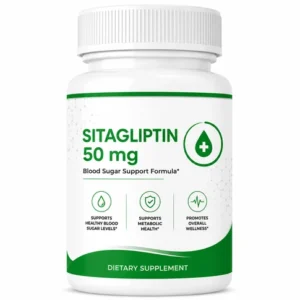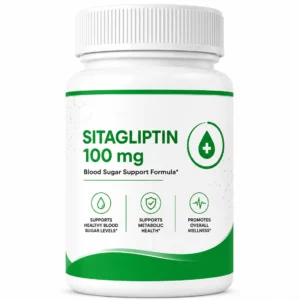
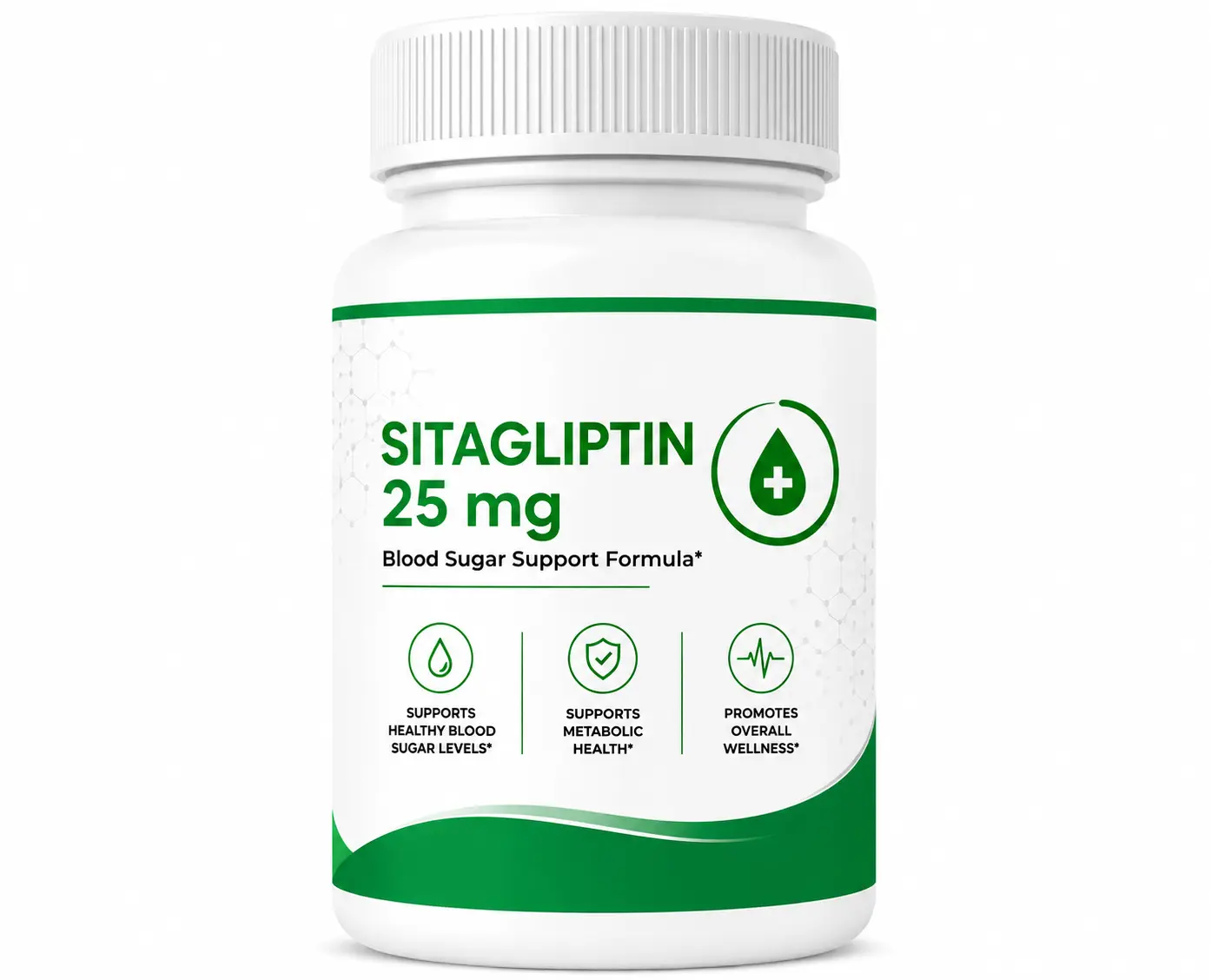
What is Sitagliptin 25 mg?
Sitagliptin 25mg capsule is a prescription-only diabetic medication containing “Sitagliptin” – an oral medicine that helps patients control blood sugar levels when they’re on diabetes type 2 medicine treatment. The drug is a blocker of the enzyme DPP-4 and the usual dose is with the assistance of diet and exercise.
This medication is only administered if a person is severely ill with their kidneys and can no longer function, or a person is at the stage of kidney disease where there is total or nearly total kidney failure, a healthcare professional would most likely go the Sitagliptin 25 mg way. However, the correct dosage of the medicine should be a decision made by a healthcare professional based on kidney function as well as other specific patient-related factors.
Uses of Sitagliptin 25 mg
This medicine may be prescribed to:
- Help improve blood sugar control in adults with type 2 diabetes
- Support treatment along with diet and exercise
- Be used alone when metformin is not suitable for certain patients
- Be combined with other diabetes medicines when additional control is required
- Provide an appropriate reduced dose for people with severe kidney impairment or end-stage kidney disease
It is not indicated for type 1 diabetes or diabetic ketoacidosis.
How Does Sitagliptin Work?
Once the meal is over, the body generates a group of hormones known as incretions. These incretins are a sort of backup message sent to the pancreas to release insulin in case the blood glucose levels have increased. At the same time, they also lower the amount of glucose that is generated in the liver.
Sitagliptin is a substance of a kind that works by preventing an enzyme called DPP-4, which normally breaks down such hormones. By doing so, it enables increased secretion of incretins and therefore a better management of blood glucose levels.
This kind of action mainly benefits during the times when there are higher levels of glucose in the blood and doesn’t involve making the pancreas continuously secrete insulin.
Benefits of Sitagliptin 25 mg
When prescribed for the appropriate patient, treatment may help:
- Improve overall blood glucose control
- Support healthier blood sugar levels after meals
- Reduce elevated glucose levels
- Work alongside a suitable diet and regular exercise
- Be used with other diabetes medicines when additional control is needed
It helps manage type 2 diabetes but does not cure the condition.
Dosage and How to Use
Continue taking Sitagliptin 25mg tablets daily as prescribed by your doctor.
According to medical guidelines, a daily dose of 25mg is advisable for patients with a drastically impaired kidney function or suffering from end-stage kidney disease. This includes patients who receive haemodialysis or peritoneal dialysis. You can take the drug independently of dialysis timing.
- Taking the tablet once a day is the way to go.
- Not particular about food is the time to take the tablet.
- It is best to swallow the pill with water.
- Never overdo the prescription and strictly take it only as directed.
- In case you have missed a dose, take the missed dose immediately. However, if it is almost the time for taking the next dose, don’t take two doses together.
- Don’t take double doses to make up for the missed one.
- Changing the dose strength should only be done upon doctor’s advise.
- It is important to keep following your prescribed diet, physical activity, and blood level monitoring plan.
As the dose is dependent on a patient', s kidney functions, your doctor will make it a point to check the status of your kidneys prior to and during treatment.
Possible Side Effects
Certain individuals may encounter undesired effects due to medicine consumption.
Some side reactions could be:
- Headache
- Respective symptoms as a cold
- Pain of throat
- Dizziness
- Stomach pain
- Joint pain
Consult a physician if you face acute and long-lasting pain in the abdomen, especially if nausea or vomiting accompanies it since sitagliptin can cause pancreatitis.
It goes without saying that allergic responses could also lead to some complications. Contact emergency services without delay if there is enlargement of the face, lips, tongue or throat, trouble in breathing, hives or another very severe condition.
Warnings and Precautions
Inform your medical doctor or clinician before getting the treatment if you:
- You are being treated by a dialysis centre or have a reduced kidney function
- You have had a pancreas inflammation before
- There is a story of heart failure in your history
- You experienced a hypersensitivity reaction to ‘sitagliptin’
- Your treatment includes ‘insulin’ or ‘sulfonylurea’
- You are pregnant or have intentions to get pregnant
- You are a breastfeeding mother and give milk to baby
- Other medicines or supplements are part of your prescription
One reason kidney function is very important for this drug is that sitagliptin is mostly being eliminated via the renal pathways. Hence a reduced dose is required if the kidney function was notably lower.
Low Blood Sugar
The risk of hypoglycaemia is generally low when sitagliptin is used on its own. However, the chance can increase when it is taken with insulin or certain medicines such as sulfonylureas.
Possible signs include:
- Shaking
- Sweating
- Hunger
- Dizziness
- Weakness
- Confusion
- Headache
If you experience repeated episodes of low blood sugar, speak with your healthcare professional. Your other diabetes medicines may need to be reviewed.
Drug Interactions
Tell your doctor or pharmacist about all medicines you currently take:
- Insulin
- Diabetes tablets (sulfonylureas)
- Other diabetes medicines
- Prescriptions
- Medicines bought without a prescription
- Vitamins
- Herbal preparations
As for insulin or sulfonylureas, their dosages may from time to time have to be adjusted downward when used together with this medicine in order to avoid hypoglycaemia episodes.
Pregnancy and Breastfeeding
You should talk to your doctor if you are pregnant, planning to be pregnant, or breastfeeding, before taking Sitagliptin 25 mg.
They can go through your diabetes treatment with you and decide if it would suit you. The drug information suggests consulting Sitagliptin use with your physician or an expert during pregnancy.
Storage
- Keep the tablets in their original container or blister pack.
- Store below 25°C, unless your product packaging states otherwise.
- Keep the medicine in a cool, dry place.
- Protect it from moisture and excessive heat.
- Keep it away from direct sunlight.
- Do not store it in the bathroom.
- Keep it out of reach of children.
- Do not use tablets after the expiry date.
- Return unwanted or expired medicine to a pharmacy for safe disposal.
FAQs
Why is Sitagliptin 25 mg used for people with severe kidney problems?
The body removes sitagliptin mainly through the kidneys. When kidney function is severely reduced, the medicine can remain in the body for longer. The 25mg dose helps provide an appropriate amount for these patients.
Can Sitagliptin 25 mg be taken on dialysis days?
Yes, prescribing information states that the 25mg dose may be given without regard to the timing of haemodialysis or peritoneal dialysis. Your doctor will provide the exact schedule to follow.
Does Sitagliptin 25 mg need to be taken with breakfast?
No. Sitagliptin can be taken with or without food, so it does not have to be linked to breakfast or another particular meal.
Can the 25mg tablet be replaced with a higher strength?
Do not change your strengths yourself. The dose is linked to kidney function and your overall treatment plan, so any change should be made by your healthcare professional.
What if my kidney function improves?
Your doctor may reassess the dose if your kidney function changes. Do not increase the dose on your own, even if your blood sugar readings change.
Can Sitagliptin 25mg be taken with insulin?
It may be prescribed with insulin in some patients with type 2 diabetes. However, using both can increase the chance of low blood sugar, so your healthcare professional may need to adjust the insulin dose.
How should I handle an unexplained drop in blood sugar?
If you experience symptoms such as shaking, sweating, dizziness or confusion, follow the low-blood-sugar plan given by your healthcare professional. If episodes happen often, discuss them with your doctor rather than changing the dose yourself.
References
- Australian Commission on Safety and Quality in Health Care – Januvia
Januvia Australian Medicine Information - Healthdirect Australia – Sitagliptin APX 25mg
Healthdirect – Sitagliptin APX - Healthdirect Australia – Sitaglo 25mg
Healthdirect – Sitaglo - Healthdirect Australia – Sitagliptin Intas 25mg
Healthdirect – Sitagliptin Intas
Medical Disclaimer
The information on this page is intended for general informational purposes only and should not be considered medical advice, diagnosis or treatment. Sitagliptin is a prescription medicine and should be used under the supervision of a qualified healthcare professional. Always consult your doctor or pharmacist before starting, stopping or changing any medication.