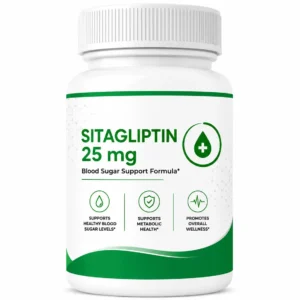
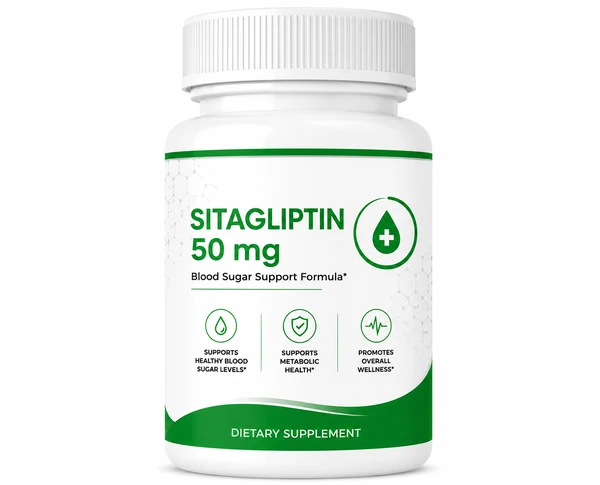
What is Sitagliptin 50 mg?
Sitagliptin 50 mg includes sitagliptin, a medicinal product for managing hyperglycemia in people with type 2 diabetes, and is part of a wider range of blood sugar medicines available for glucose control. Being members of the DPP-4 inhibitor family, they are often used in combination with lifestyle changes, such as improved eating habits and exercising.
Those with moderately impaired kidneys are likely to benefit most from the 50 mg version. The drug is usually prescribed at 50 mg once a day for certain kidney-failure patients; however, this might be varied to suit those who have very severely impaired kidneys.
Uses of Sitagliptin 50 mg
Sitagliptin 50 mg may be prescribed to:
- Improve blood sugar control in adults with type 2 diabetes
- Support treatment alongside diet and exercise
- Be used when metformin is not suitable for certain patients
- Work with other diabetes medicines when additional control is needed
- Provide a reduced dose for adults with certain levels of kidney impairment
It is not used to treat type 1 diabetes or diabetic ketoacidosis.
How Does Sitagliptin Work?
The body produces and releases several hormones that function to help blood sugar regulation. When a rise in blood sugar happens after a meal the body releases insulin which is the hormone to drive the absorption of glucose from the blood into the liver muscle and fat cells.
Sitagliptin works by inhibiting the enzyme DPP-4 that helps to inactivate these hormones more quickly. The drug does this by blocking the receptor for DPP-4 on the hormones.
Benefits of Sitagliptin 50 mg
When prescribed appropriately, treatment may help:
- Keep blood glucose levels within the recommended range
- Reduce high blood sugar
- Support long-term diabetes management
- Work alongside a healthy diet and regular activity
- Be combined with selected diabetes treatments
It helps manage type 2 diabetes but does not cure the condition.
Possible Side Effects
Some people may experience:
- Headache
- Cold-like symptoms
- Sore throat
- Nausea
- Stomach discomfort
- Joint pain
Contact your doctor if you develop severe or ongoing stomach pain, especially with vomiting, as this may need medical assessment. Serious allergic reactions can also occur.
Warnings and Precautions
Tell your healthcare professional if you:
- Have kidney disease
- Have previously had pancreatitis
- Have a history of heart failure
- Allergic to sitagliptin
- Take insulin or a sulfonylurea
- Are pregnant or planning pregnancy
- Are breastfeeding
- Take other prescription or non-prescription medicines
Kidney function is especially important because the amount prescribed may need to change when kidney function is reduced.
Low Blood Sugar
Sitagliptin alone generally has a low risk of causing hypoglycaemia. The risk can become higher when it is used with insulin or a sulfonylurea.
Possible signs include:
- Shaking
- Sweating
- Hunger
- Dizziness
- Weakness
- Confusion
Follow your healthcare professional’s advice if you experience low blood sugar.
Drug Interactions
Tell your doctor about all medicines you take, including:
- Insulin
- Sulfonylureas
- Other diabetes medicines
- Prescription medicines
- Over-the-counter products
- Vitamins
- Herbal supplements
When sitagliptin is combined with insulin or a sulfonylurea, the dose of those medicines may sometimes need adjustment to reduce the risk of hypoglycaemia.
Pregnancy and Breastfeeding
If you are pregnant, planning to become pregnant or breastfeeding, speak with your doctor before using Sitagliptin 50 mg.
Your healthcare professional can assess whether the medicine is appropriate for you and discuss safer treatment options when needed.
Storage
- Store the tablets according to the instructions on the product packaging.
- Keep them in a cool, dry place.
- Protect them from moisture.
- Keep the medicine away from direct heat and sunlight.
- Do not store it in the bathroom.
- Keep it out of reach of children.
- Do not use tablets after the expiry date.
- Dispose of unused medicine through a pharmacy when possible.
FAQs
Can Sitagliptin 50 mg be taken on an empty stomach?
Yes. Sitagliptin can generally be taken with or without food, so it does not need to be taken with a meal.
What happens if my kidney function changes during treatment?
Your doctor may review your kidney function and change the dose if needed. Regular assessment can be important because sitagliptin is mainly removed from the body through the kidneys.
Can Sitagliptin 50 mg be taken with metformin?
Yes. Sitagliptin can be prescribed together with metformin for some adults with type 2 diabetes. Your doctor will decide whether the combination is suitable.
Does Sitagliptin 50 mg replace a diabetes diet?
No. It is intended to work alongside appropriate eating habits and physical activity. Keeping up with your diabetes management plan remains important.
What should I do if my blood sugar remains high?
Do not increase your dose yourself. Speak with your healthcare professional so they can review your blood sugar readings, diet, other medicines and treatment plan.
References
- Australian Commission on Safety and Quality in Health Care –
Januvia Australian CMI - Healthdirect Australia –
Healthdirect Sitagliptin information - Healthdirect Australia – Januvia
Healthdirect Januvia
Medical Disclaimer
The information on this page is intended for general informational purposes only and should not be considered medical advice, diagnosis or treatment. Sitagliptin is a prescription medicine and should be used under the supervision of a qualified healthcare professional. Always consult your doctor or pharmacist before starting, stopping or changing any medication.